
Laparoscopic surgery—also called minimally invasive surgery or keyhole surgery—has transformed modern healthcare. Instead of making large cuts as in traditional open surgery, doctors perform the procedure through tiny incisions using a high-definition camera and specialized instruments. Over the last two decades, the benefits of laparoscopy surgery have made it the preferred choice for many common operations, including gallbladder removal, hernia repair, appendectomy, hysterectomy, bariatric surgery, and various gastrointestinal procedures.
In this article, we explore the top advantages of laparoscopic surgery, why doctors prefer it, and how it helps patients recover faster with fewer complications.
🔍 What Makes Laparoscopy Surgery Special?
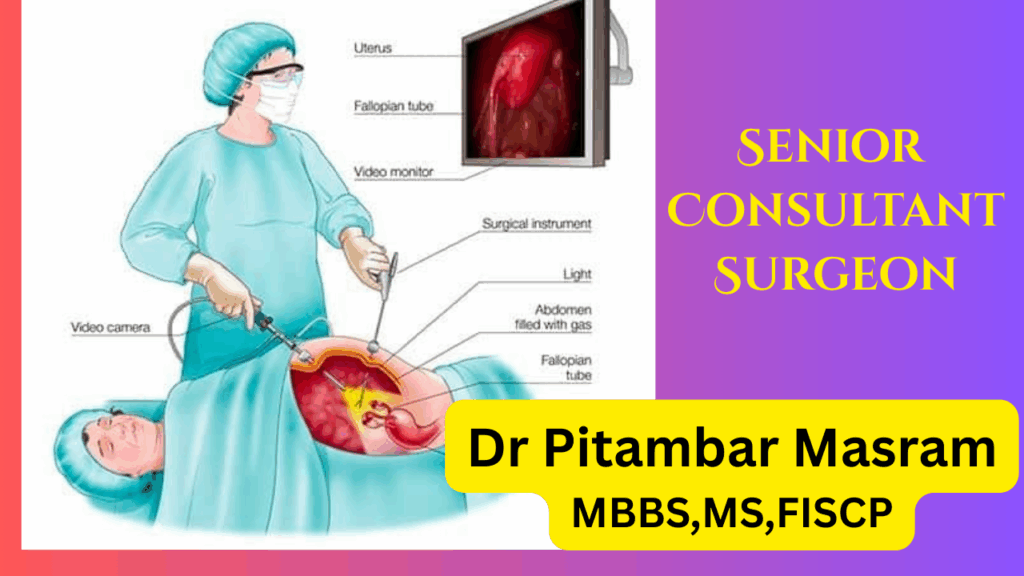
Traditional surgery requires a big incision to access the internal organs. Laparoscopy surgery replaces that with:
- A laparoscope (a thin tube with camera & light)
- Small, 0.5–1 cm incisions
- High-precision instruments
- A screen that guides the surgeon in real time
This method minimizes trauma to the body while maintaining accuracy. Because of this, the benefits of laparoscopy surgery are significant for both patients and surgeons.
🌟 Major Benefits of Laparoscopy Surgery
1. Smaller Incisions, Smaller Scars
One of the most visible benefits of laparoscopy surgery is the use of tiny incisions. Unlike open surgery, which often leaves large scars, laparoscopy leaves only a few small marks that fade over time.
Why it matters:
- Better cosmetic outcomes
- Reduced risk of wound infection
- Less postoperative discomfort
Patients who are concerned about appearance, especially young individuals, often prefer laparoscopy because of these cosmetic advantages.
2. Less Pain After Surgery
Because the cuts are smaller and muscles are not widely separated, the body experiences far less trauma. This leads to significantly reduced postoperative pain.
Benefits include:
- Less need for pain medications
- Improved mobility
- Faster return to routine activities
Many patients report being able to walk comfortably within hours of laparoscopic surgery.

3. Faster Recovery & Shorter Hospital Stay
One of the strongest benefits of laparoscopic surgery is quick recovery. Most patients return home the same day or within 24 hours for many common procedures.
This results in:
- Lower hospitalization costs
- Reduced risk of hospital-acquired infections
- Faster return to work and family responsibilities
This makes laparoscopy especially beneficial for working professionals and individuals who cannot afford long downtime.
4. Lower Risk of Infection
Smaller incisions mean fewer chances for bacteria to enter the wound. In addition, less tissue exposure reduces contamination risk.
Benefits:
- Fewer wound infections
- Lower complication rates
- Better overall safety
This is especially important for diabetic patients or those with weak immunity.
5. Minimal Blood Loss During Surgery
Laparoscopic instruments are designed to cause minimal tissue damage, resulting in significantly lower blood loss.
Advantages:
- Reduced need for transfusions
- Lower risk of anemia
- Safer surgery for elderly or high-risk patients
Less blood loss also contributes to faster healing.

6. Better Precision & Safety for Surgeons
With a high-definition camera providing a magnified view, surgeons can visualize organs more clearly than in open surgery.
This allows:
- Improved accuracy
- Better identification of critical structures
- Lower chances of injury to surrounding organs
For complex surgeries—like colorectal, bariatric, or gynecological procedures—this enhanced visibility improves outcomes significantly.
7. Reduced Risk of Hernia and Wound Complications
Large incisions from open surgery can weaken the abdominal wall, increasing the risk of incisional hernia. Small laparoscopic incisions protect the abdominal muscles.
Benefits include:
- Lower wound complications
- Lower risk of postoperative hernia
- Faster wound healing
This advantage is especially important for obese patients in whom open surgery incisions are more likely to get infected or develop hernias.
8. Quick Return to Normal Activities
Most patients return to daily life in 3–5 days, depending on the procedure. Heavy work may take a little longer, but overall downtime is far less compared to open surgery.
This translates into:
- Faster return to job or business
- Early resumption of household duties
- Reduced emotional and physical stress
Modern lifestyles demand shorter recovery times, making laparoscopy ideal.
9. Better Outcomes for Many Common Surgeries
Laparoscopic surgery has proven benefits for:
- Gallbladder stones (laparoscopic cholecystectomy)
- Inguinal & ventral hernia repair
- Appendicitis
- Uterus removal (laparoscopic hysterectomy)
- Endometriosis surgery
- Bariatric (weight-loss) procedures
- Colorectal surgeries
Multiple studies show improved recovery, fewer complications, and higher patient satisfaction with laparoscopic approaches.
💬 Why Patients Prefer Laparoscopic Surgery
Patients increasingly choose laparoscopy because:
- It is modern and advanced
- It reduces hospitalization
- It minimizes pain and scars
- It allows quicker return to life
In today’s busy world, these benefits make minimally invasive surgery an obvious choice.
🩺 Is Laparoscopy Surgery Safe for Everyone?
While it offers numerous advantages, some situations require open surgery for example:
- Very large tumors
- Severe infection or abscess
- Extensive scar tissue from previous operations
- Emergency trauma conditions
- When visibility is limited
A skilled surgeon will assess each case and decide the safest method.
🎯 Final Opinion
The benefits of laparoscopy surgery are clear: it is safer, less painful, cosmetically superior, and offers quicker recovery. From common procedures like gallbladder and hernia surgery to advanced colorectal and gynecological operations, laparoscopy has become the first choice for both surgeons and patients. While not suitable for every case, when performed by an experienced surgeon, it provides excellent outcomes with minimal complications.
If you are considering surgery, discussing the laparoscopic option with your doctor can help you choose the best and safest approach.