Anal itching, medically known as pruritus ani, is a common problem that affects people of all ages. It is characterized by persistent irritation or an uncontrollable urge to scratch the skin around the anus. Although not usually serious, anal itching can be extremely uncomfortable, embarrassing, and can interfere with daily life. Understanding its causes, symptoms, signs, and available treatment options can help you manage the condition effectively and prevent recurrences.
🔍 What is Anal Itching?
Anal itching occurs when the skin around the anus becomes irritated due to infections, skin problems, gastrointestinal issues, or lifestyle habits. Scratching may give temporary relief, but it worsens the irritation and leads to inflammation, burning, and sometimes small cuts.
Many people hesitate to talk about anal itching, but it is a very common concern and can be treated easily once the underlying cause is identified.
🩺 Common Causes of Anal Itching
Understanding the cause is the most important step in successful treatment. Anal itching may result from one or more factors:
1. Poor Hygiene or Excess Cleaning
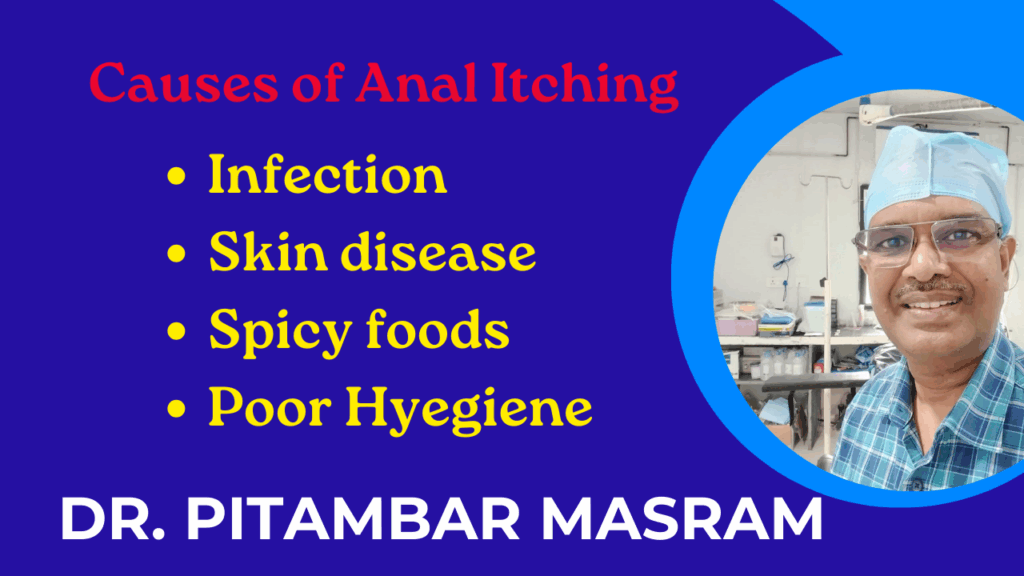
- Not cleaning properly after bowel movements can leave irritants on the skin.
- On the other hand, excessive washing with soap, wipes, or scented products can remove natural oils and cause dryness and irritation.
2. Skin Conditions
Certain dermatological problems cause or worsen anal itching:
- Eczema
- Psoriasis
- Dermatitis
- Allergic reactions to soaps, sanitary pads, laundry detergents, or perfumed tissues
These conditions make the skin around the anus more sensitive and prone to itching.
3. Infections
Various infections can cause anal itching:
🔸 Fungal infections
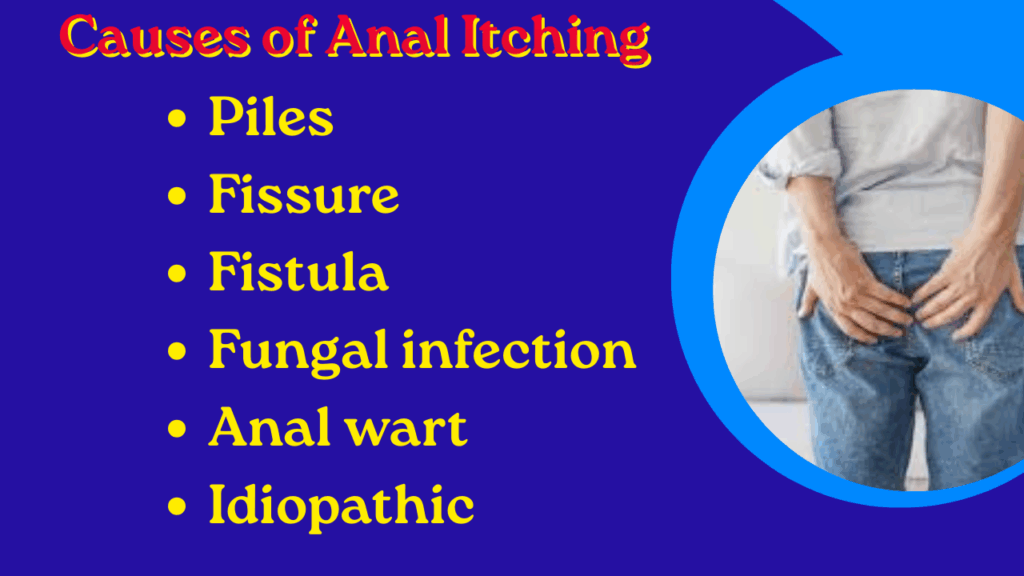
Yeast (Candida) infections are common, especially in diabetics or people with excessive sweating.
🔸 Bacterial infections
Certain skin bacteria can cause redness, soreness, and itching.
🔸 Parasitic infections
Pinworms (common in children) can cause intense nighttime anal itching.
🔸 Sexually transmitted infections
STIs like HPV, herpes, or genital warts may also cause irritation and itching.
4. Gastrointestinal Problems
Bowel-related disorders can increase moisture or irritation around the anal area:
- Chronic diarrhea
- Constipation
- Excessive straining
- Hemorrhoids (piles)
- Anal fissures
Leakage of mucus or stool may irritate the skin and trigger itching.
5. Food Triggers
Certain foods are known to worsen anal itching:
- Spicy food
- Coffee and tea
- Chocolate
- Citrus fruits
- Alcohol
- Tomatoes
- Nuts
These foods may increase acidity or trigger loose stools, irritating the anal skin.
6. Medical Conditions
Some medical problems can present with anal itching as a symptom:
- Diabetes
- Thyroid disorders
- Liver disease
- Iron deficiency
- Stress and anxiety (leading to increased sweating and scratching)
🔍 Symptoms and Signs of Anal Itching
Anal itching may present with the following symptoms:
- Constant or occasional itching around the anus
- Redness or inflammation of the skin
- Burning sensation
- Moisture around the anal area
- Mild pain or stinging
- Tiny cuts or scratches caused by repeated rubbing
- Thickened or leathery skin (in long-term cases)
Symptoms may worsen at night, during sweating, after spicy meals, or after bowel movements.
🩺 Diagnosis of Anal Itching
A doctor may perform:
- Physical examination
- Digital rectal exam
- Stool test (for worms)
- Skin examination for fungal or bacterial infections
- Blood tests if systemic disease is suspected
Proper diagnosis ensures accurate treatment.
🌿 Treatment for Anal Itching
Treatment depends on the underlying cause. Here are common and effective methods:

1. Maintain Proper Hygiene
- Clean the area gently with plain water.
- Avoid harsh soaps, wet wipes, and perfumed products.
- Pat dry instead of rubbing.
- Use soft, cotton undergarments.
2. Apply Topical Creams
Depending on the cause, doctors may prescribe:
- Antifungal creams
- Antibiotic creams
- Mild steroid creams (for inflammation)
- Zinc oxide barrier creams
- Anti-itch lotions (short-term use only)
Never use steroid creams for more than a few days without medical advice.
3. Treat Underlying Conditions
- Deworming medication for pinworms
- Treat hemorrhoids, fissures, or infections
- Manage diarrhea or constipation with diet and medications
If STIs are suspected, prompt medical treatment is essential.
4. Dietary Modifications
Avoid foods that trigger itching:
- Spicy foods
- Coffee and tea
- Citrus
- Alcohol
- Chocolate
Increase fiber intake to avoid constipation.
5. Lifestyle Changes
- Keep the area dry and clean
- Use breathable clothing
- Avoid scratching
- Manage sweating by using talcum powder
- Manage diabetes or thyroid disorders if present
6. Home Remedies
Some simple home remedies can provide relief:
- Sitz bath in warm water for 10–15 minutes
- Cold compress for soothing
- Coconut oil or aloe vera for mild irritation (if not allergic)
- Oatmeal baths for calming the skin

7. When to See a Doctor
Consult a specialist if:
- Itching lasts more than 2 weeks
- There is bleeding, discharge, or severe pain
- Skin becomes thickened or cracked
- Symptoms worsen at night
- You notice worms or warts
- Over-the-counter treatments fail
Persistent anal itching may indicate an underlying disease that needs medical attention.
🎯 Final Opinion
Anal itching is usually a simple problem but can be embarrassing and distressing. Understanding the underlying causes—from infections to skin irritation to bowel issues—is crucial for successful treatment. With proper hygiene, dietary changes, topical medications, and management of any associated conditions, most people experience quick relief. However, long-standing or severe anal itching should never be ignored, as timely diagnosis by a doctor can prevent complications and ensure long-term comfort.