
Almost everyone experiences constipation at some point in life. For some, it’s an occasional discomfort. For others, it becomes a daily struggle that affects mood, routine, and overall health. Unfortunately, many people ignore constipation until it turns into painful problems like piles, fissure, or bleeding during stool. Let’s talk honestly and clearly about constipation causes and treatment, in a way that helps you understand what’s happening inside your body and what you should do about it.
What Is Constipation?
Constipation simply means difficulty in passing stool. But it’s not just about “not going daily.”
You may be constipated if:
- Stool is hard, dry, or pellet-like
- You need to strain a lot in the toilet
- You feel that stool is not completely cleared
- You go to the toilet but feel unsatisfied
- You fear going to the toilet because of pain
Some people pass stool daily and still suffer from constipation because evacuation is incomplete. Others go once in 2–3 days but feel comfortable. So constipation is more about quality than frequency.
What Are the Types of Constipation?
Not all constipation is the same. Identifying the type helps in choosing the right treatment.
1. Acute Constipation
This happens suddenly. Maybe you:
- Travelled
- Changed diet
- Drank less water
- Were stressed
The good news? Acute constipation is temporary and usually settles with simple changes.
2. Chronic Constipation
When constipation lasts more than 3 months, it is called chronic. This is the stage where people start depending on laxatives and often develop piles or fissure.
This type must not be ignored.
3. Functional Constipation
Here, tests may be normal, but bowel habits are poor:
- Irregular toilet timing
- Ignoring urge
- Excessive straining
Very common in working professionals and elderly people.
4. Slow Transit Constipation
In this type, the intestine moves stool very slowly. It is often seen in:
- Elderly patients
- Long-term laxative users
5. Outlet Obstruction Constipation
This is extremely important.
Here, stool reaches the rectum, but cannot come out properly due to:
- Anal fissure
- Piles
- Tight anal sphincter
- Pain while passing stool
This type needs specialist treatment, not just syrup.
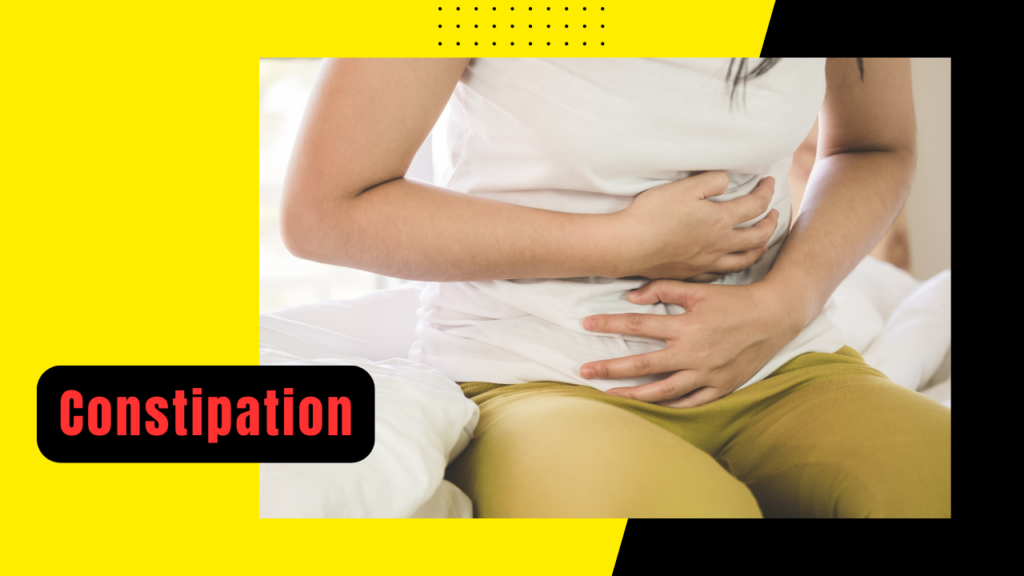
What Are Constipation causes ?
Constipation does not happen without a reason. In most cases, it is a result of daily habits.
Lifestyle-Related Causes
- Low fiber diet (less fruits & vegetables)
- Drinking less water
- Sitting for long hours
- Lack of physical activity
- Skipping toilet time
Medical Causes
- Piles, fissure, fistula
- Diabetes
- Thyroid disorders
- Pregnancy
- Neurological problems
Medicine-Induced Constipation
Some medicines slow bowel movement:
- Painkillers
- Iron tablets
- Calcium supplements
- Excessive use of laxatives
👉 Laxatives give temporary relief but worsen constipation in the long run.
How Constipation Can Be Relieved Naturally?
In most patients, constipation can be managed without medicines, if done correctly and consistently.
1. Correct Your Diet (Most Important Step)
Add natural fiber:
- Papaya, guava, apple
- Green vegetables
- Oats, dal, whole grains
Fiber softens stool and improves bowel movement naturally.
2. Drink Enough Water
Water is not optional.
- Aim for 2.5–3 liters daily
- Warm water in the morning works wonders
Without water, fiber won’t work.
3. Fix Your Toilet Habits
- Go to toilet at the same time daily
- Never suppress urge
- Avoid mobile phone usage in toilet
- Do not sit for long time
Your bowel loves routine.
4. Stay Active
Even simple activities help:
- Walking 30 minutes daily
- Light yoga and stretching
Movement stimulates bowel movement.
5. Safe Natural Remedies
- Isabgol with warm water or milk
- 1 teaspoon ghee in warm milk at night
(Simple, effective, and safe)
What Is to Be Avoided to Prevent Constipation?
Equally important is knowing what not to do.
Avoid:
- Junk and fast food
- Excessive tea, coffee
- Refined flour (maida)
- Smoking and alcohol
- Regular laxative use
- Sitting all day without movement
These habits slowly damage your bowel function.
Sometimes constipation also produces Anal itching. If you want to know more about anal itching, click here.
When to Visit a Doctor for Constipation?
Do not wait if:
- Constipation lasts more than 2–3 weeks
- Pain during stool is severe
- Blood is seen in stool
- You need laxatives daily
- Weight loss or weakness occurs
Early consultation prevents piles, fissure, and surgery.
Due to constipation, fissure is most common disease. You can get more information here about Fissure and Fissure surgery.
Which Speciality Deals With Constipation?
Constipation related to anorectal problems should be treated by:
- General Surgeon
- Colorectal / Proctology Specialist
Especially if constipation is associated with pain, bleeding, or fear of toilet, surgical opinion is essential.
WhyDr. Pitambar Masram Is the Right Person for Constipation Treatment?
Dr. Pitambar Masram treats constipation by finding and treating its root cause, not by just prescribing syrups.
What makes his approach different:
- Detailed evaluation of bowel habits
- Identifies hidden causes like fissure or sphincter spasm
- Avoids unnecessary laxative dependency
- Expert in laser treatment for piles, fissure & fistula
- Focus on long-term relief and prevention
Patients feel comfortable discussing even embarrassing problems openly.
Final Opinion
Constipation is often underestimated, but it silently damages anorectal health. Understanding constipation causes and treatment at the right time can save you from lifelong discomfort and unnecessary surgery. Small lifestyle changes, early diagnosis, and expert guidance make all the difference.
Surgiplus Hospital is a special hospital , where you can get all details about your constipation
Author Block
Author: Dr. Pitambar Masram
Qualification: MS (General Surgery)
Speciality: Piles, Fissure & Fistula Specialist
Experience: 20+ Years
Location: Nagpur
Dr. Pitambar Masram is a senior surgeon with vast experience in treating constipation and anorectal diseases using conservative methods and advanced laser techniques, with a strong focus on patient comfort and long-term results.
f you want to book appointment with Dr Pitambar Masram, Click here.
FAQ
Is constipation a disease or a symptom?
Constipation is usually a symptom, often indicating lifestyle issues or underlying anorectal disease.
Can constipation cause piles?
Yes. Chronic constipation and straining are the main causes of piles.
Is daily laxative use safe?
No. Regular laxative use can lead to dependency and worsen constipation.
How long does constipation treatment take?
Mild cases improve in days; chronic constipation may take weeks with proper treatment.
Can laser surgery help constipation?
Laser surgery treats the cause (piles, fissure, fistula) that leads to constipation, not constipation directly.