Have you ever checked your blood pressure at a clinic and wondered, “Is my BP really normal throughout the day?”
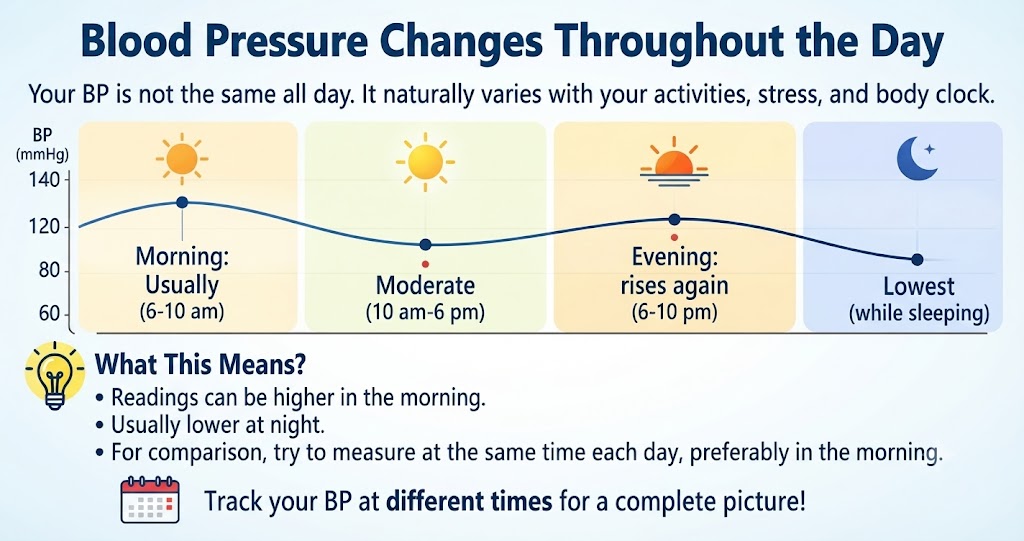
Blood pressure is not a fixed number. It can change with stress, physical activity, sleep, caffeine, smoking, medications and even the way you sit while taking the reading.
That is why having a digital BP monitor at home can be very useful, particularly for people who have high blood pressure, are taking BP medicines, are older, or have risk factors for cardiovascular disease.
And there is one more important point: high blood pressure usually does not produce any warning symptoms. The only reliable way to know your BP is to measure it.
So, let’s understand why a digital BP monitor can be a useful device for your home and how you can use it correctly.
What Is a Digital BP Monitor?
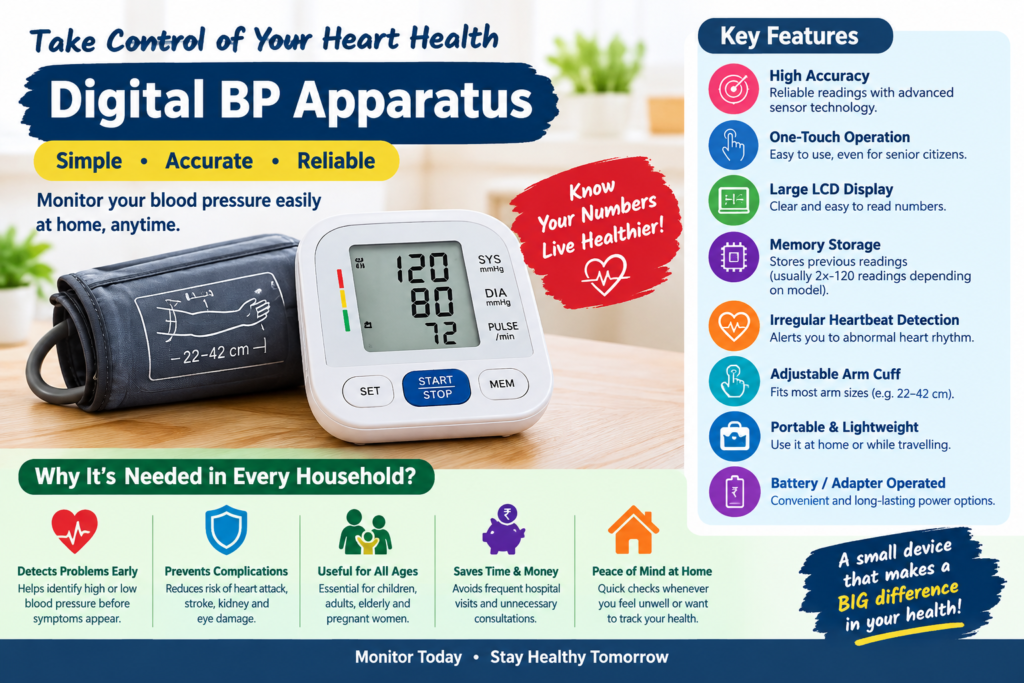
A digital BP monitor is an electronic device used to measure your blood pressure and pulse rate.
Most home models have an inflatable cuff that goes around the upper arm. When you press the start button, the machine automatically inflates the cuff and displays your:
- Systolic BP – the upper number
- Diastolic BP – the lower number
- Pulse rate – heartbeats per minute
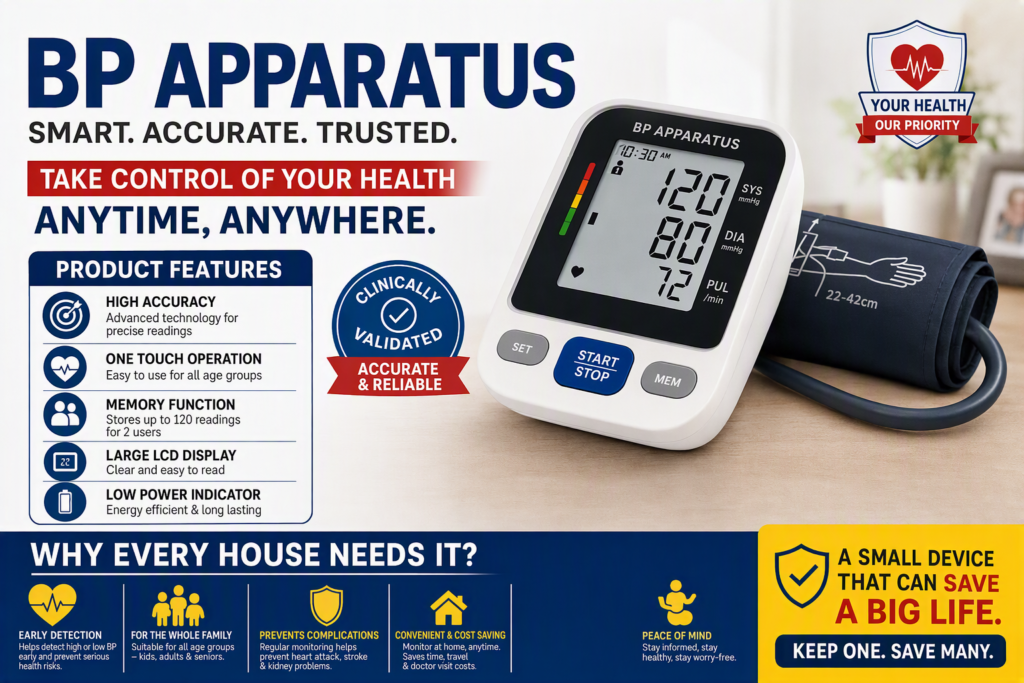
Many modern machines also offer additional features such as memory storage, irregular-heartbeat detection, multiple-user profiles and large digital displays.
For home monitoring, the American Heart Association recommends an automatic upper-arm cuff-style monitor and advises choosing a device that has been validated for accuracy and has the correct cuff size.
Importance of Tracking Blood Pressure Daily
Let me explain this with a simple example.
Suppose your BP is 150/90 mmHg when you visit the doctor. But on another day, it is 130/80. Which number represents your usual BP?
This is where home monitoring becomes useful.
A single BP reading is like a photograph. Regular readings give you a movie of what is happening over time.
Keeping a record of your BP can help your doctor understand:
- whether your BP is consistently high or only occasionally elevated
- whether your BP medicines are controlling your pressure
- whether your BP is becoming too low
- how your BP changes at different times of the day
- whether there is a difference between home and clinic readings
Home monitoring can also help identify situations such as white-coat hypertension, where BP is higher in the medical setting, or masked hypertension, where BP may appear normal in the clinic but be higher outside it. (www.heart.org)
Do you need to check BP every day?
Not necessarily.
If you are healthy and have no reason to monitor your BP frequently, your doctor may recommend occasional checking.
If you have hypertension, have recently started or changed BP medicines, or have another medical reason for closer monitoring, your doctor may recommend a more regular schedule.
Don’t change or stop BP medicines based only on your home readings without discussing them with your doctor. (www.heart.org)
How to Choose the Best Digital BP Apparatus for Your Home
When people ask me, “Doctor, which BP machine should I buy?”, I suggest looking beyond just the price.
Here are the important things to consider.
1. Choose an upper-arm monitor
For most people, an automatic upper-arm digital BP monitor is preferable to wrist or finger devices because upper-arm measurements are generally more reliable when performed correctly. (www.heart.org)
2. Check whether the device is validated
Don’t choose a monitor simply because it has many advertisements or a high number of reviews.
Look for a validated BP monitor. Validation means the device has undergone testing against accepted standards for blood-pressure measurement.
3. Choose the correct cuff size
This is extremely important.
A cuff that is too small or too large can produce inaccurate readings. Measure your upper-arm circumference and make sure the cuff supplied with the device is appropriate for you. (www.heart.org)
4. Look for useful features
Depending on your needs, you may want:
- Large, easy-to-read display
- Memory for previous readings
- Multiple-user memory
- Pulse-rate display
- Irregular-heartbeat indicator
- Automatic inflation
- Battery and/or adapter operation
- Date and time recording
- Comfortable cuff
You don’t necessarily need every feature. Accuracy and proper cuff size are more important than having a long list of extra functions.
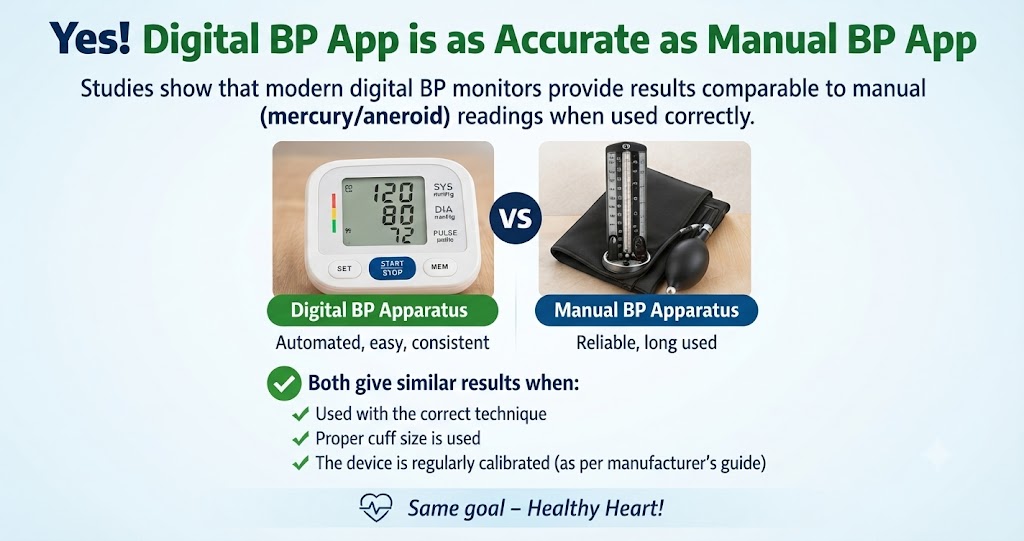
Digital vs Manual BP Monitor Accuracy: Which Is Better?
This is one of the most common questions.
Can a digital BP monitor give an accurate reading compared with a manual BP apparatus?
The answer is: a properly validated digital upper-arm monitor can provide reliable readings when used correctly.
A manual BP apparatus uses a cuff, pressure gauge and usually a stethoscope, with the healthcare professional determining the systolic and diastolic pressures.
A digital BP monitor performs the measurement electronically and displays the result automatically.
But remember this important point:
The accuracy of the reading depends not only on the machine but also on the technique.
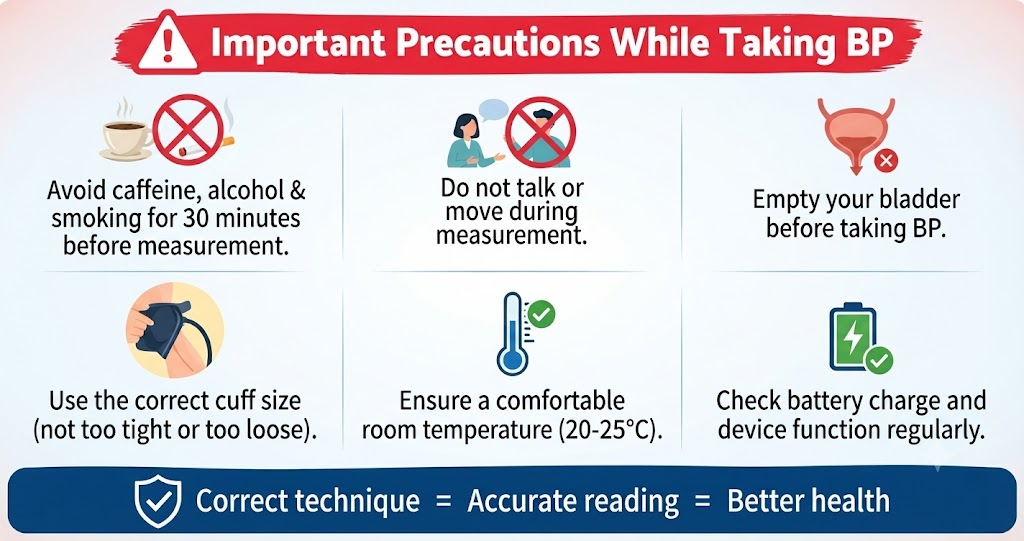
Incorrect cuff size, talking during measurement, crossing the legs, inadequate rest, measuring over clothing or keeping the arm in the wrong position can affect the result. (www.heart.org)
For this reason, I recommend taking your home digital BP monitor to your doctor’s appointment occasionally so the healthcare professional can check whether you are using it correctly and compare its readings with the clinic equipment. The AHA suggests checking the device about once a year or according to the manufacturer’s instructions. (www.heart.org)
Symptoms of High and Low Blood Pressure
Here is something that surprises many people:
High blood pressure may have no symptoms
A person can have significantly elevated blood pressure and still feel completely normal.
That is why high BP is often detected only when it is measured. (CDC)
When BP becomes severely elevated, however, symptoms such as:
- Severe headache
- Chest pain
- Breathlessness
- Weakness or numbness
- Vision changes
- Difficulty speaking
may occur and require urgent medical assessment. (NHLBI, NIH)
What about low blood pressure?
Low BP can be completely normal for some people. But when it causes inadequate blood flow, symptoms can include:
- Dizziness or light-headedness
- Weakness or fatigue
- Blurred vision
- Fainting
- Confusion
- Nausea
- Palpitations
Low blood pressure is commonly defined as below 90/60 mmHg, although whether a reading is concerning depends on the individual and their symptoms. (NHLBI, NIH)
So don’t judge your health based on one number alone. The reading, your symptoms and your medical history all matter.
Don’t wait for symptoms to check your blood pressure. A reliable digital BP monitor makes it easy to check your BP at home, track your readings, and share them with your doctor when needed.
👉 Want to keep an eye on your heart health?
Check out this Digital BP Monitor. Click here
How to Check BP With a Digital BP Monitor
Now comes the most important part.
Even an excellent digital BP monitor can give a misleading reading if you use it incorrectly.
Step 1: Rest first
Sit quietly for at least 5 minutes before measuring.
Avoid exercise, smoking and caffeinated beverages for about 30 minutes before measurement. Empty your bladder before checking BP. (www.heart.org)
Step 2: Sit correctly
Sit on a chair with:
- Your back supported
- Both feet flat on the floor
- Legs uncrossed
- Body relaxed
Don’t measure your BP while casually sitting on a sofa in a twisted position.
Step 3: Put the cuff on bare skin
Place the cuff around your upper arm, not over clothing.
The lower edge of the cuff should be just above the elbow crease.
Make sure the cuff fits properly. (www.heart.org)
Step 4: Keep your arm at heart level
Rest your arm comfortably on a table or other flat surface.
The cuff should be approximately at heart level.
Step 5: Don’t talk
Press the START button and remain still.
Don’t talk, use your phone or move your arm while the machine is measuring.
Step 6: Take a second reading
Don’t worry if your first and second readings are slightly different.
Take at least two readings about one minute apart and record the results. (CDC)
For regular monitoring, try to measure at approximately the same time each day, according to the schedule recommended by your doctor.
Why You Should Record Your BP Readings
Don’t just look at the number and forget it.
Keep a simple BP diary.
For example:
| Date | Time | BP | Pulse |
|---|---|---|---|
| Monday | Morning | 132/82 | 74 |
| Monday | Evening | 128/80 | 72 |
| Tuesday | Morning | 136/84 | 76 |
After several days, your doctor can see a pattern rather than a single reading.
Some digital BP monitors also store previous measurements in their internal memory, making this process easier.
When Should You Seek Medical Advice?
Don’t panic because of one mildly abnormal reading.
If a reading is unexpectedly high, sit quietly and repeat it.
However, if your BP is 180/120 mmHg or higher, repeat the measurement after a short rest. If it remains that high, contact a healthcare professional promptly. If very high BP is accompanied by symptoms such as chest pain, difficulty breathing, weakness/numbness, vision changes or difficulty speaking, seek emergency medical care. (www.heart.org)
My Advice: Keep a Digital BP Monitor at Home
Think of a digital BP monitor as a small health-monitoring device for your family.
You don’t buy it because you expect to become sick.
You keep it because knowing your BP can help you identify a problem earlier and give your doctor useful information when making treatment decisions.
This can be particularly useful for people with:
- High blood pressure
- Diabetes
- Heart disease
- Kidney disease
- Older age
- Family history of hypertension
- Previous stroke or cardiovascular disease
- Medicines that can affect blood pressure
But remember: a BP monitor does not replace your doctor.
It is a tool to help you and your doctor understand your blood pressure better.
Frequently Asked Questions About Digital BP Monitors
1. Is a digital BP monitor accurate?
A properly validated upper-arm digital BP monitor can provide reliable readings when used with the correct cuff and proper technique. Device validation and correct measurement technique are both important.
2. Can I check my BP at home every day?
Yes, home monitoring can be useful, particularly for people with hypertension or those whose treatment is being monitored. However, the frequency should be based on your medical situation and your doctor’s advice.
3. Which is better: wrist or upper-arm BP monitor?
For routine home monitoring, an automatic upper-arm cuff monitor is generally preferred. Wrist and finger monitors can be more sensitive to positioning and are generally considered less reliable.
4. Why does my digital BP monitor show different readings each time?
Blood pressure naturally varies, and readings can also change because of posture, talking, movement, stress, caffeine, exercise, bladder fullness and cuff position. Take two readings about one minute apart under similar conditions and record them.
5. Should I stop my BP medicine if my home BP is normal?
No. A normal reading does not mean you should stop prescribed medication. Discuss your readings with your doctor before changing or stopping any BP medicine.
👉 Want to keep an eye on your heart health?
Check out this Digital BP Monitor and order yours today.
🏠 Easy to use • 📊 Quick readings • ❤️ Ideal for home monitoring
👉 [Check Price & Buy Now]
Final Word
A digital BP monitor is a simple device, but it can give you something very valuable regular information about your blood pressure outside the doctor’s clinic.
Don’t wait for a headache, dizziness or another symptom to tell you that something may be wrong. High blood pressure often has no symptoms at all.
Check your numbers, record them properly, and discuss persistent abnormal readings with your doctor.
Your BP number is not just a number. It is information about your health.
Medically Reviewed By
Dr. Pitambar Masram
MBBS, MS, FISCP
General Surgeon & Coloproctologist
Surgiplus Hospital, Nagpur
This article is intended for general health education. It does not replace an examination or individualized medical advice from your doctor.
Also Read Benefits of laparoscopy surgery, Click Here